Posts tagged Dickerson incinerator
UPDATED: Our Position on Montgomery County’s Trash Overhaul Plans

Updated: SCA’s Position on Montgomery County’s Trash Overhaul Plans

Updated April 3, 2026

We need your help! After you read this update, please consider emailing the Montgomery County Council president, your Council representative, and/or all 11 of the Council members.

Ask the Council to ACT NOW and approve the portion of the County Executive’s FY2027 budget that would close the Montgomery County trash incinerator by the end of this year and shift to a safer waste disposal system for the entire county.

YOUR VIEWS & VOICE MATTER — See THIS LINK for ways to connect with the Council.

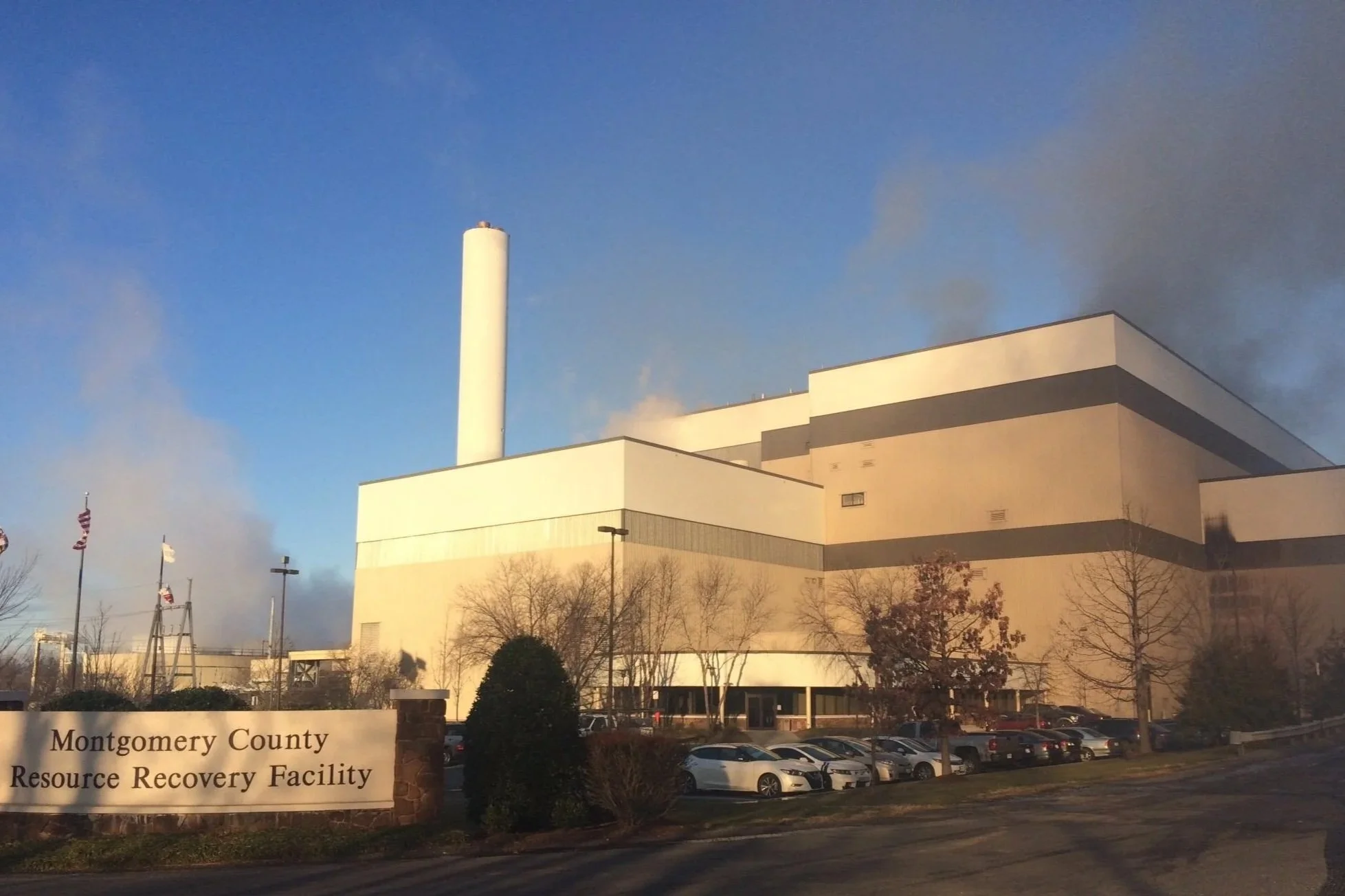
Since July 2025, momentum had been steadily building to stop burning the county’s trash at the Dickerson incinerator this year—a practice that harms human health and the environment. That goal is now in jeopardy.

What happened was this: Council president Natali Fani-Gonzalez announced that more information and deliberation was needed before a decision to close the incinerator could be made.

This delay would put off any action until 2027 or later.

In contrast, County Executive Marc Elrich and the county’s Department of Environmental Protection (DEP) have provided studies, analyses, data, and a detailed budget to justify closing the aging and polluting trash incinerator.

Elrich and his budget instead propose that our county’s non-recyclable trash be transported to well-vetted, safe, and environmentally-sound landfills in neighboring states.

Truck hauling of trash to the nation’s roughly 3,000 landfills is by far the most common waste management system in the U.S. It accounts for the disposal of 65% of trash after recyclable and compostable material is diverted from the “waste stream.” The technology has vastly improved over the past decade.

Meanwhile, hundreds of incinerators have been shuttered nationwide over the last three decades. Most were shut down after about 25 years. Montgomery County’s facility has been operating for 30 years in Dickerson. It is the largest single source of pollution—including climate-altering greenhouse gases—in the county.

Read More
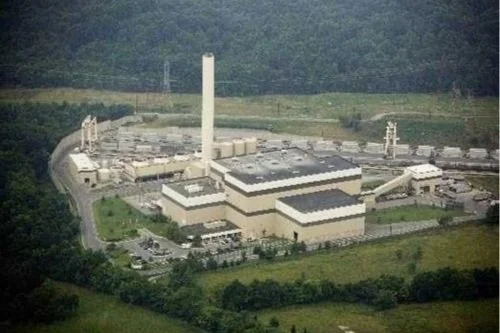
Immediate Closure of Montgomery County’s Aging Trash Incinerator Demanded Following Disclosure of Additional Dioxin Leak

Immediate Closure of Montgomery County’s Aging Trash Incinerator Demanded Following Disclosure of Additional Dioxin Leak

FOR IMMEDIATE RELEASE
February 26, 2026

Printable/PDF Version

Media Contact:
Lauren Greenberger
Vice President, Sugarloaf Citizens Association
lgreenberger@hotmail.com

Immediate Closure of Montgomery County’s Aging Trash Incinerator Demanded Following Disclosure of Additional Dioxin Leak

DICKERSON, Md.Following our February 20, 2026, press release on the topic, Sugarloaf Citizens Association received notification that a second and more hazardous dioxin and furan discharge occurred at the Montgomery County waste incinerator in Dickerson, MD.

The Montgomery County Department of Environmental Protection has released two statements about this leak: Feb 20, 2026 and Dec 17, 2025. The most recent test results show Unit 3 total dioxins and furans discharged averaged 54.8 ng/dscm at 7% oxygen, exceeding the limit of 30 ng/dscm at 7% oxygen.

This discharge is nearly double the allowable limit and 30 times greater than the average annual stack test results (2.6ng/dscm) for the past 3 years, according to data reported on the County website. There are no established safe limits for dioxin emissions. We are not aware of any similar testing done yet on the third operating boiler, Unit 1.

The incinerator, operated by Reworld, is currently the endpoint for all the county’s non-recyclable solid waste.

Given this updated and highly concerning test result, Sugarloaf Citizen Association urgently calls on Montgomery County leadership to act:

  1. We ask the County Executive and his Department of Environmental Protection for immediate closure of the waste incinerator as a response to this emergency and temporarily haul the county’s trash by truck to an interim landfill site.

  2. We ask Montgomery County Council members to approve the County Executive’s FY27 budget that will include permanently shuttering the incinerator, ending toxic ash dumping on a community in Virginia, hauling what we can't recycle to a well-vetted landfill, and initiating robust food-scrap composting, and other well-studied waste reduction strategies.

Read More
Dioxin Leak at Dickerson Incinerator Prompts Call for Closure

Dioxin Leak at Dickerson Incinerator Prompts Call for Closure

FOR IMMEDIATE RELEASE
February 20, 2026

Printable/PDF Version

Media Contact:
Lauren Greenberger
Vice President, Sugarloaf Citizens Association
lgreenberger@hotmail.com

Dioxin Leak Adds Urgency to Shuttering Montgomery County’s Aging Trash Incinerator

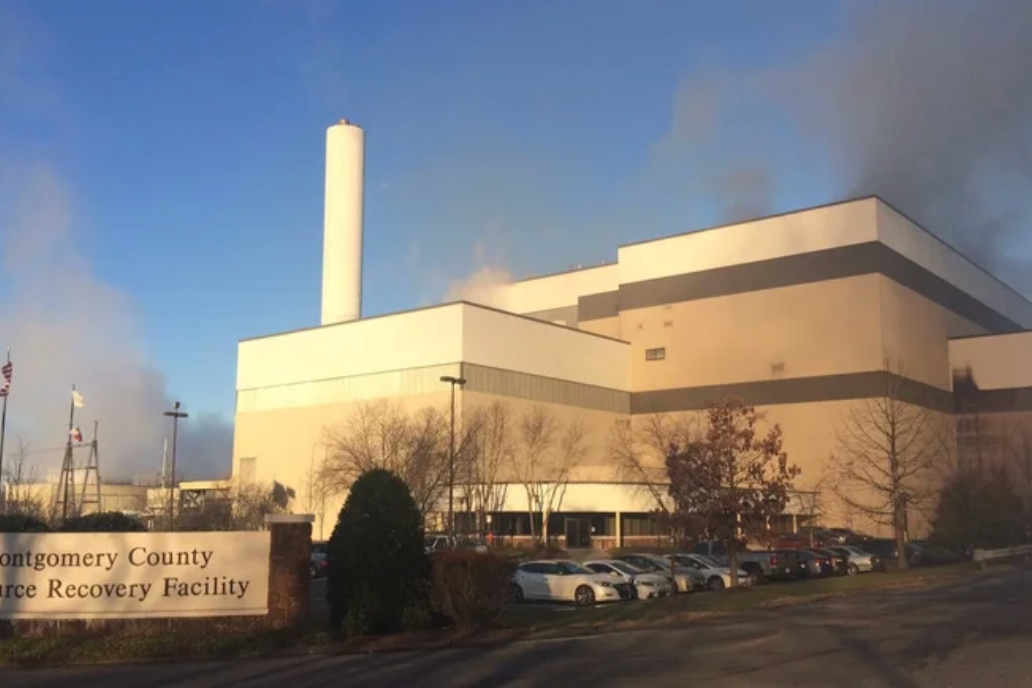
DICKERSON, Md. — Alarmed by reports of a recent massive dioxin leak at the aging Montgomery County trash incinerator in Dickerson, MD, Sugarloaf Citizens Association (SCA) urges the Montgomery County Council to move forward expeditiously with plans to end trash burning and haul the county’s waste to vetted landfills outside the County.

The incinerator, operated by Reworld, is currently the endpoint for all the county’s non-recyclable solid waste.

In November 2025, a report by the county’s Department of Environmental Protection (DEP) revealed that the incinerator was emitting nearly double the permitted limit—and 21 times more dioxin and furans than the last test in 2024.  There is no safe emissions limit established for these toxic chemicals.

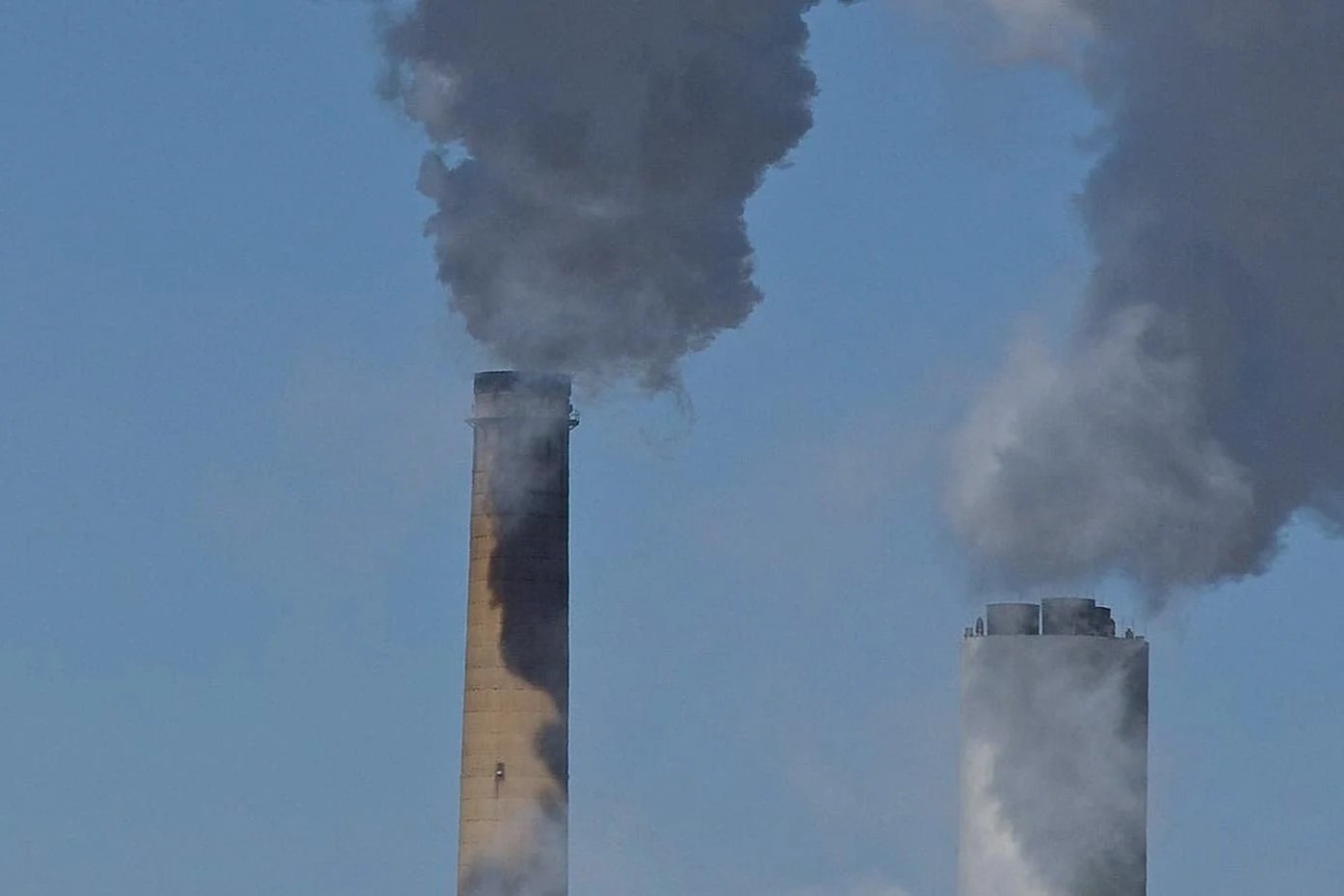
The dioxin leak from the 30-year-old incinerator comes amid longstanding concerns about health hazards to the community and local agriculture associated with trash incineration, which also produces other toxic chemical emissions such as mercury, sulfur dioxide, arsenic, beryllium, lead, nitrogen oxides and fine particulate matter into the region’s air.

“Further delay by DEP or the County Council is unacceptable,” says Lauren Greenberger, SCA vice president. “We have advocated for an alternative to incineration for more than a decade, given the incinerator’s profile as the worst single source of air pollution and greenhouse gases in Montgomery County. This recent leak is yet more evidence that this aging facility is a continuing dire public health threat.”

Reworld estimated in 2025 that it would cost from $50 million to $100 million to keep the facility operating safely and efficiently for another 7 to 10 years. More recently, DEP cited potential costs as high as $365 million in that timeframe. Most trash incinerators are decommissioned after approximately 22 to 27 years of use.  

Read More
Trash Burning No Longer Considered “Renewable Energy” in Maryland

Trash Burning No Longer Considered “Renewable Energy” in Maryland

April 10, 2025

Maryland lawmakers enacted legislation on April 7 ending Maryland’s classification of trash incineration as “renewable energy.”

It’s been considered that since 2011, as part of the state’s “renewable portfolio standard” program. As such, the energy generated in “waste-to-energy” (or “refuse-derived fuel) facilities, such as the one in Dickerson, was treated the same as energy produced by solar and wind facilities. That included subsidies to help promote renewable energy sources.

Thus, incinerators effectively took money out of the pockets of solar, wind and other clean energy companies—even as incinerators polluted the air and generated greenhouse gases. Since 2011, Maryland consumers have supported the Dickerson incinerator to the tune of around $30 million.

The new law is a huge win for environmental, civic and energy justice groups—includingSCA—which have been pushing this outcome for years.

Maryland is now the second state, after California, to delete trash incineration from its renewable energy portfolio.

“It’s about time,” said Lauren Greenberger, SCA’s vice president and main advocate on the issue. “It’s been such a ‘waste’ of money—pun intended—and has helped prop up the remaining incinerators in the state, which are too old, inefficient, and produce dirty energy.”

Added Jennifer Kunze, Maryland Program Director with Clean Water Action: “This action will help support the development of zero waste infrastructure by making it easier for composting, reuse and recycling, and other healthier solid waste management practices to compete without fighting uphill against state subsidies supporting the worst solid waste management option.”

Read More